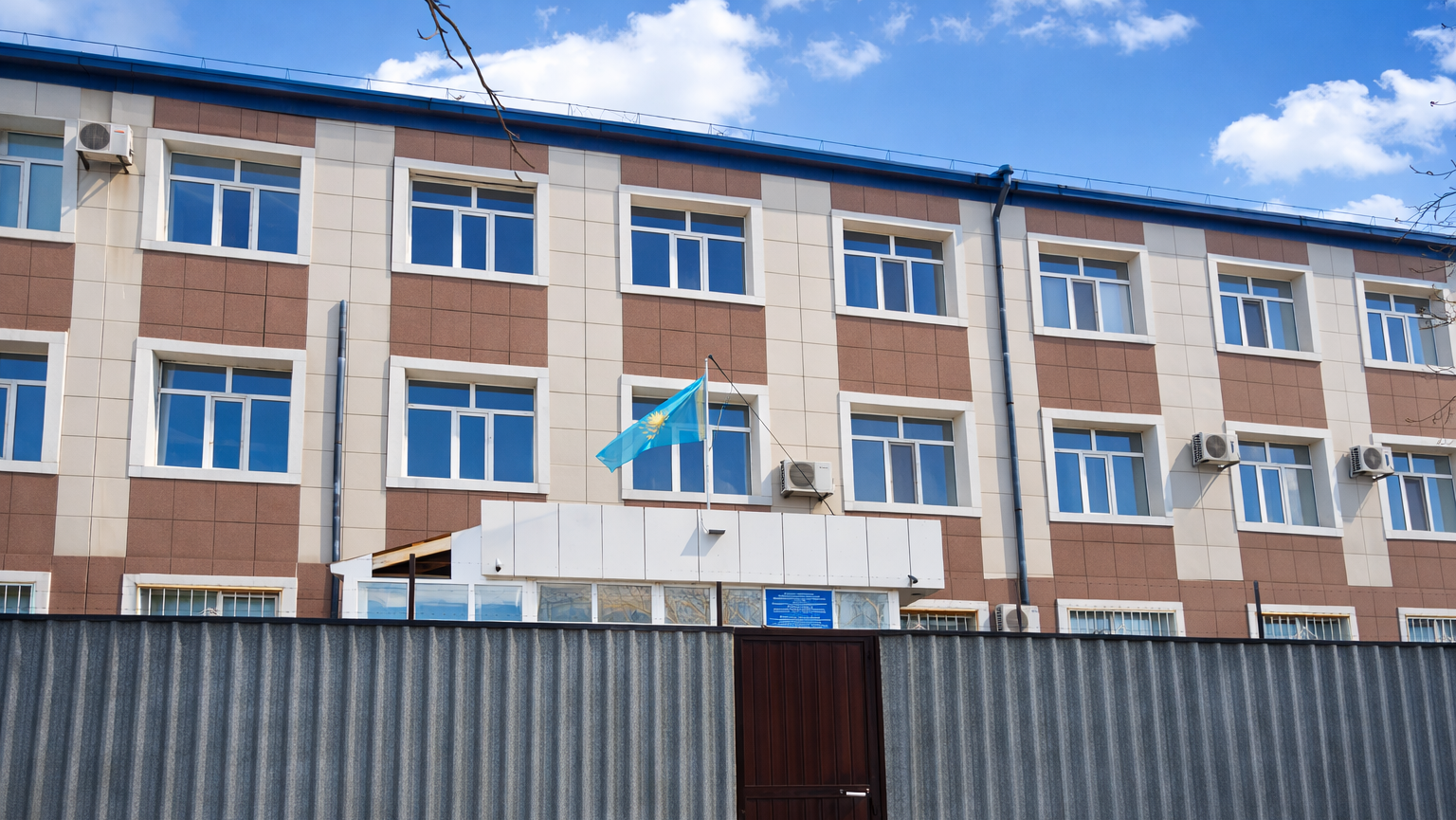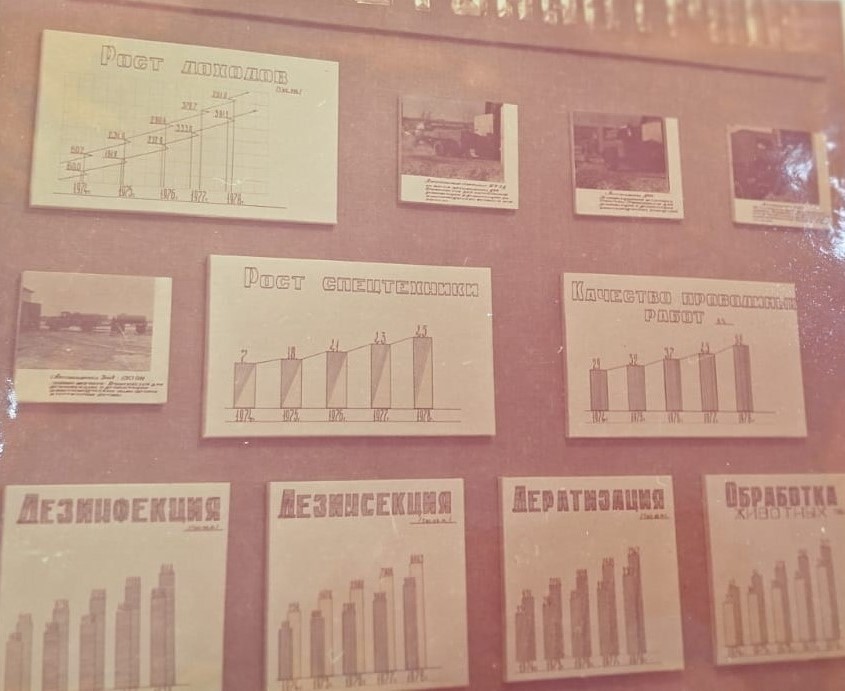
In the period from January 4, 1949 to March 1978, the Kokchetov regional veterinary bacteriological laboratory was officially organized, which became the historical foundation for the modern branch.
1980s and 1990s.
The institution went through a number of structural changes and renaming (from the regional veterinary laboratory of MSH to regional departmental units), gradually expanding the range of diagnostic studies of agricultural animals.
2001 to 2005
The branch was incorporated into the Central Veterinary Laboratory of the RKM, and then was transformed into the regional branch of the newly established RGP enterprise on PHI Republican Veterinary Laboratory. During this period a solid material-technical base and a network of district units is formed.
20092012 years
On the basis of the Resolution of the Government of the Republic of Kazakhstan dated 21 November 2009 No. 1908, the branch is permanently attached to the current legal status as part of the single republican network.
It ‘s 2010 .

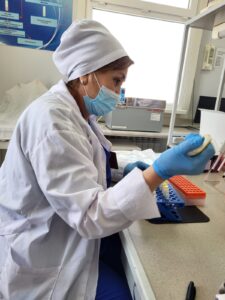
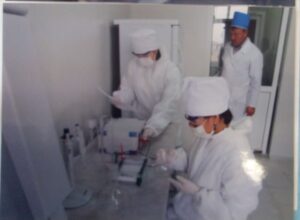
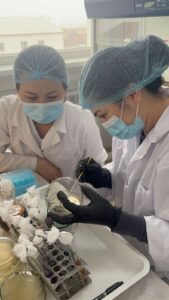
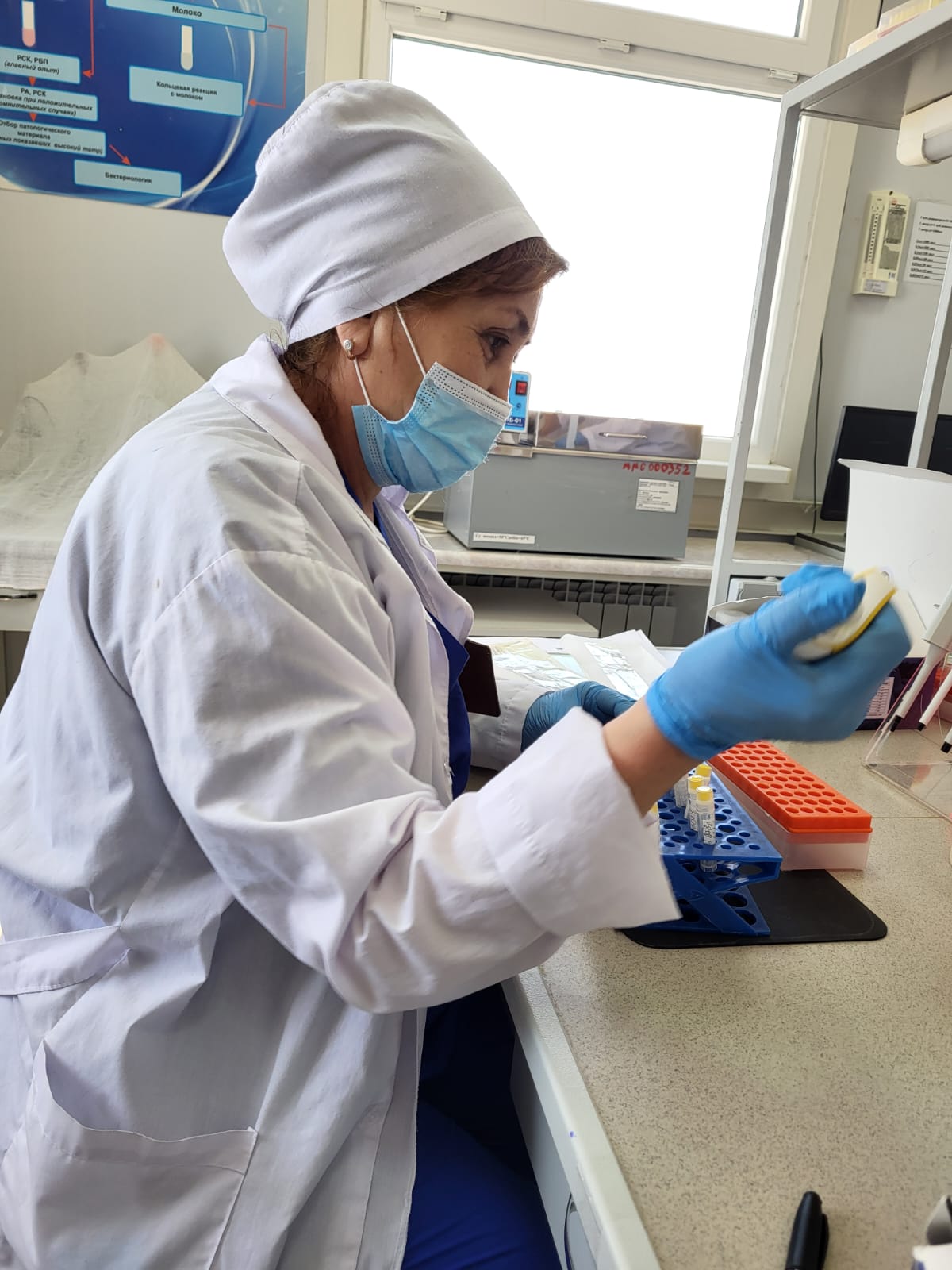
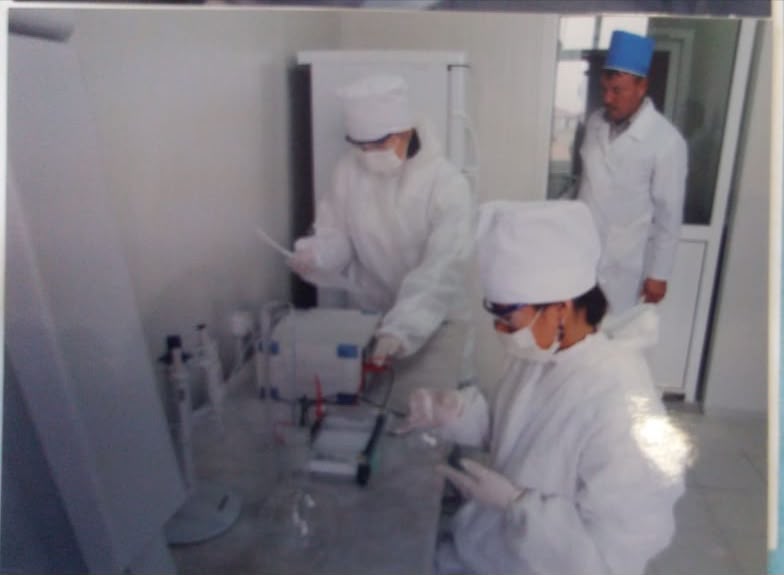
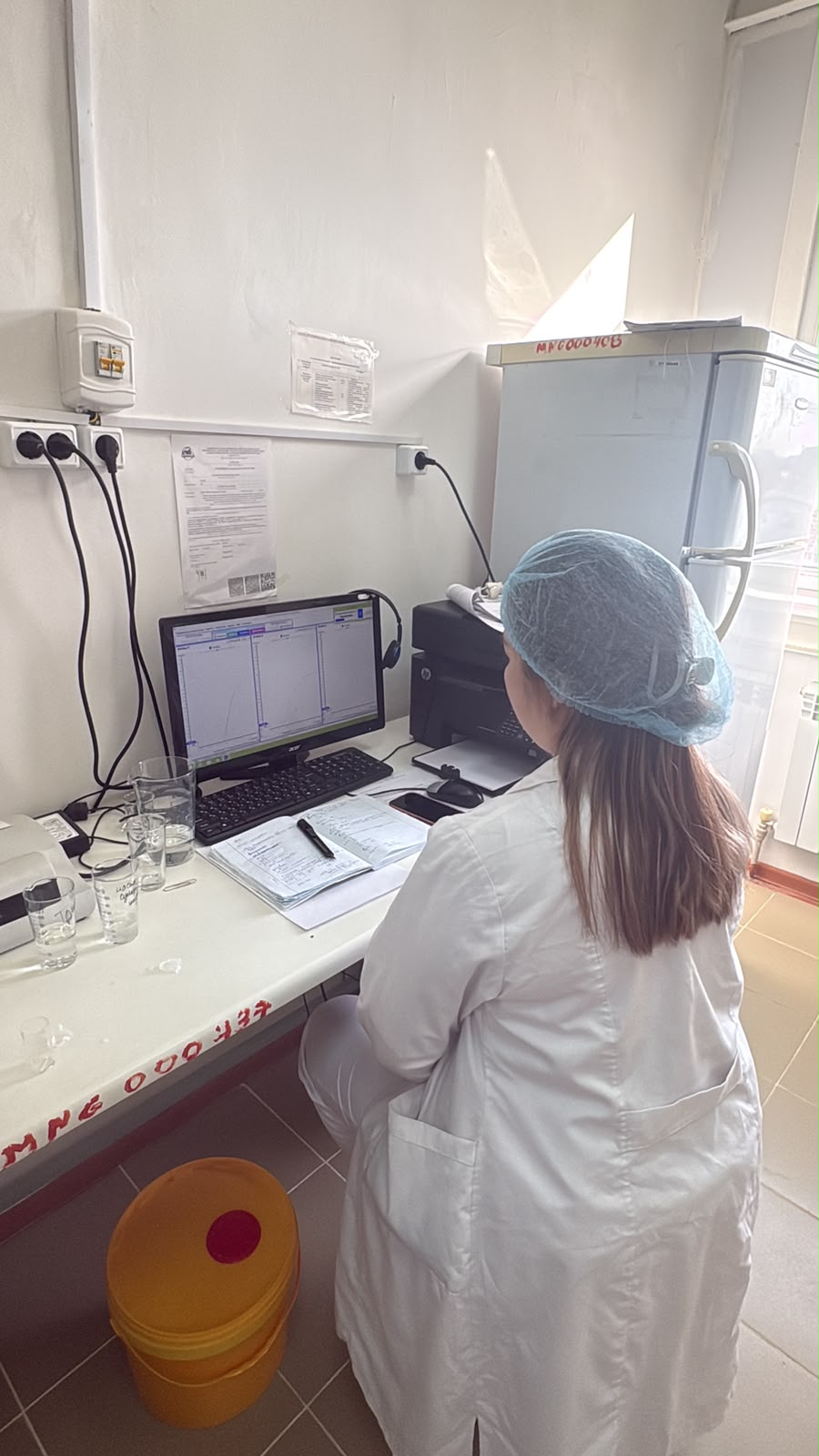
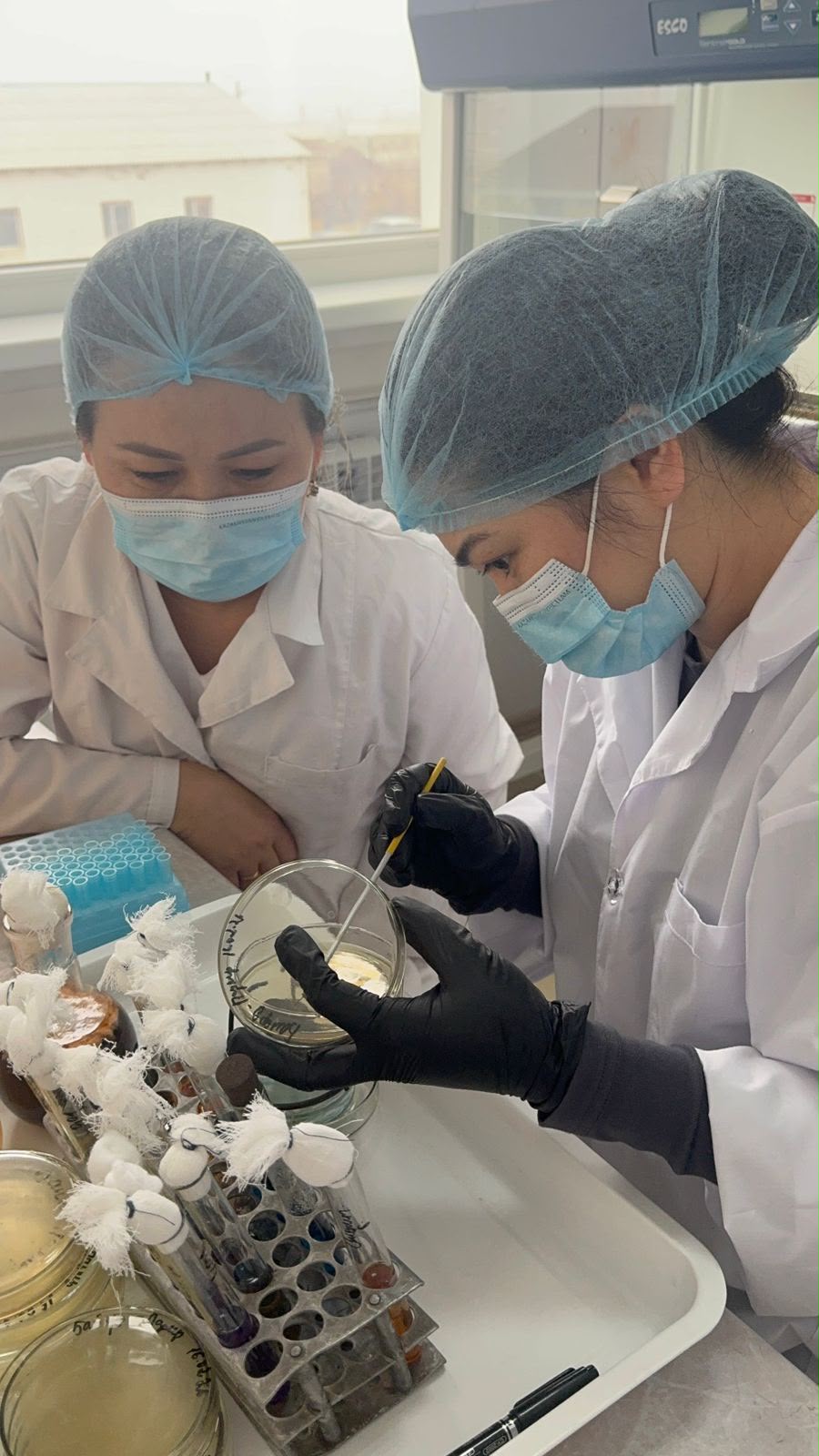
Actively equipping laboratories with advanced equipment. High-precision diagnostic methods have been introduced in practical activities: polymerase chain reaction (PCR), immunofermental analysis (IFA), as well as in-depth bacteriological and virological research.
20212024 years
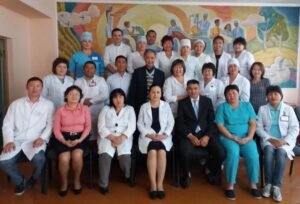
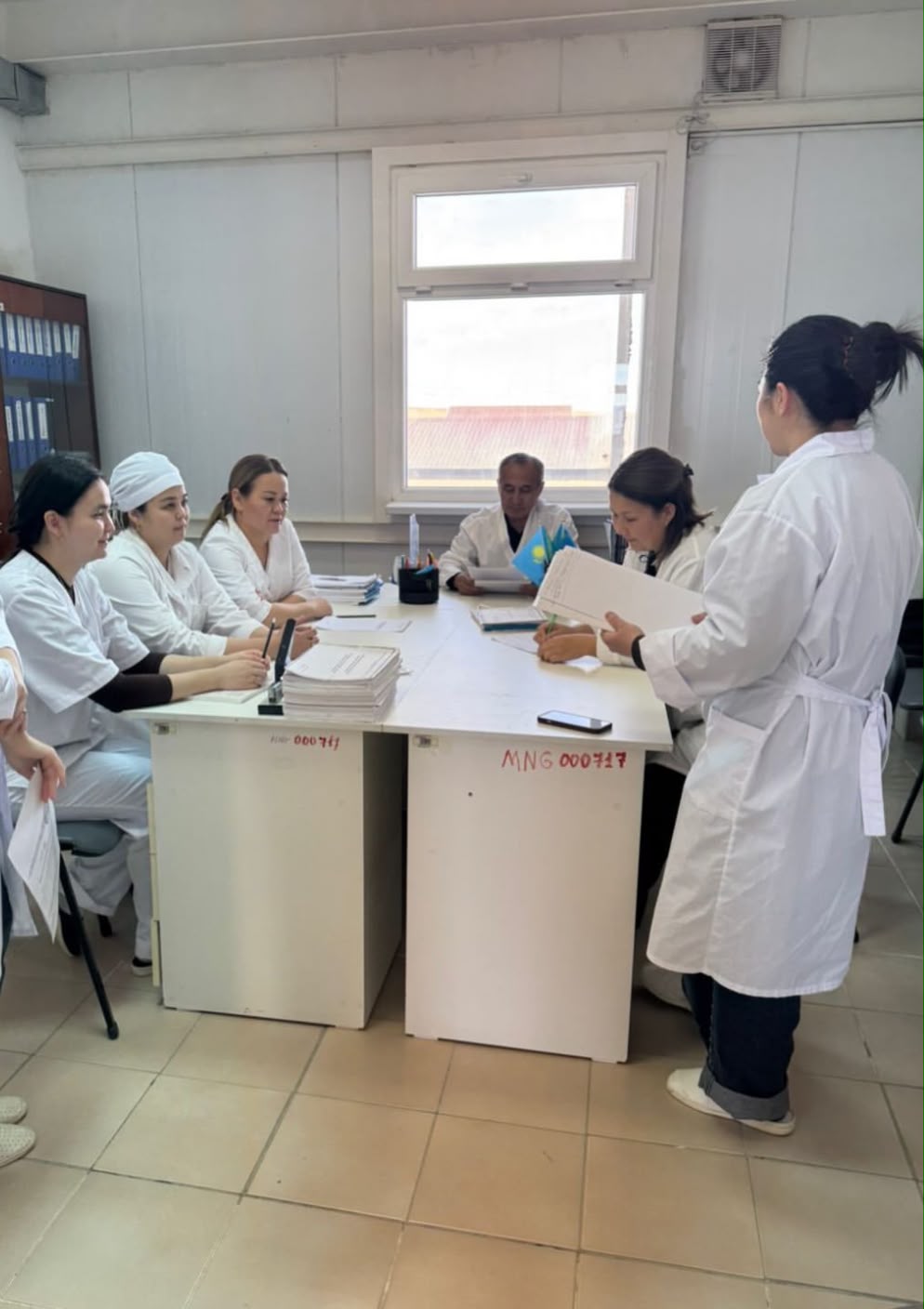
Strengthening of personnel (more than 90% of employees have higher professional education). Development of the network of district veterinary-sanitary expert laboratories and mobile complexes for travel expertise at fairs.
The year 2025
In September, the National Accreditation Center (NCA) conducted an evaluation procedure, and on December 11, 2025, a new Accreditation Certificate for conformity to the GOST ISO/IEC 17025-2019 standard was obtained. Significant growth in indicators was recorded: the volume of paid diagnostic services increased by 54%, and the income from food safety control increased by 9,8% compared to the previous year.
It ‘s the present .
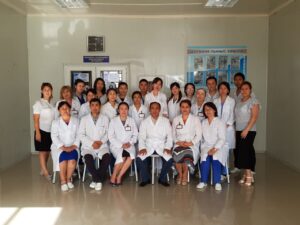
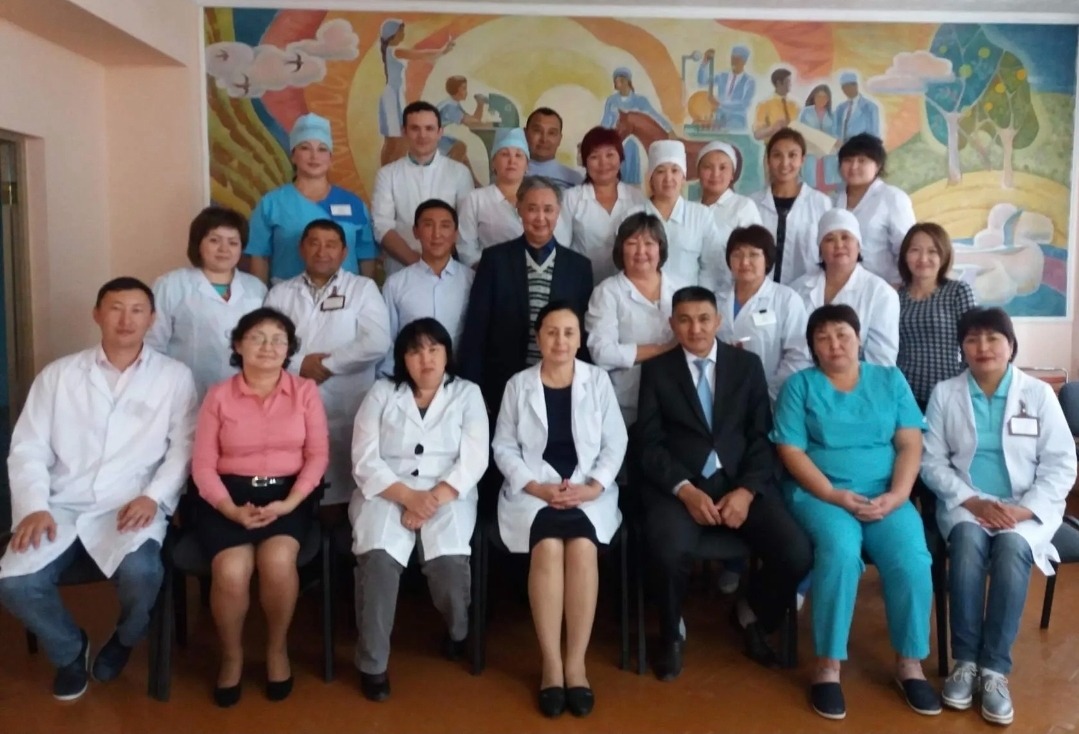
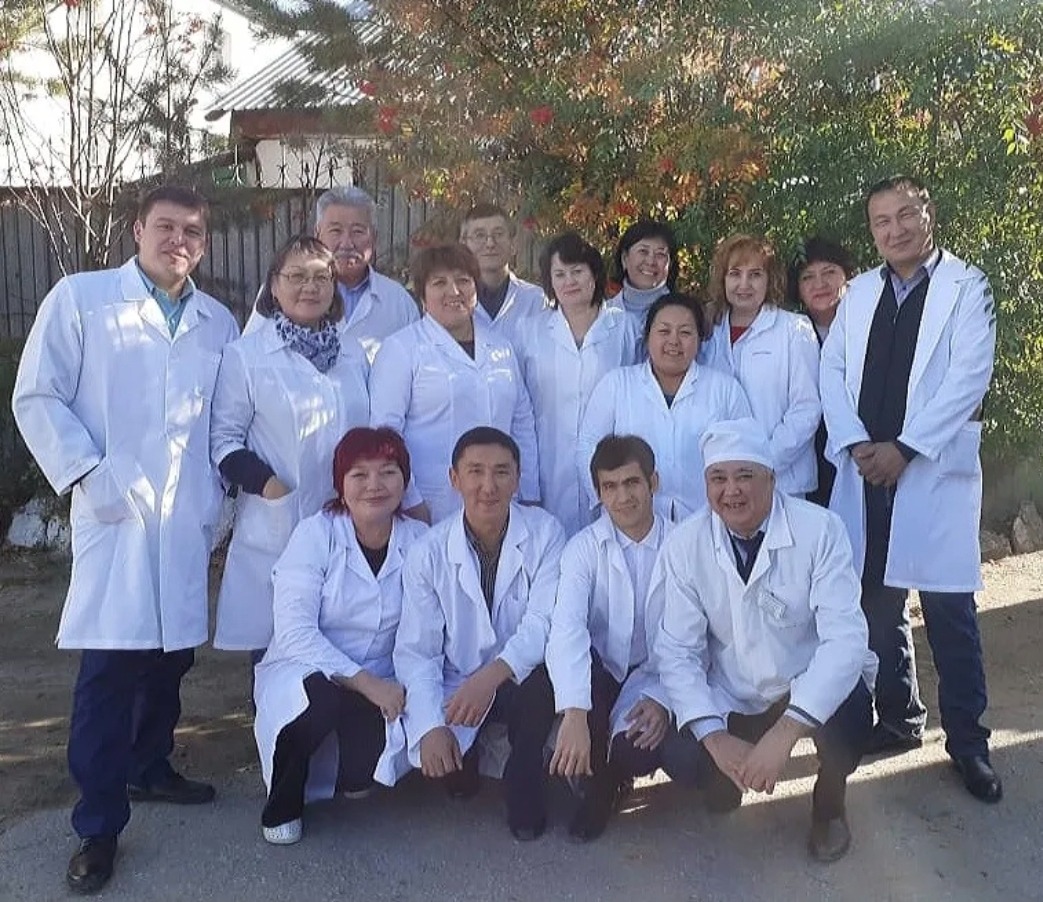
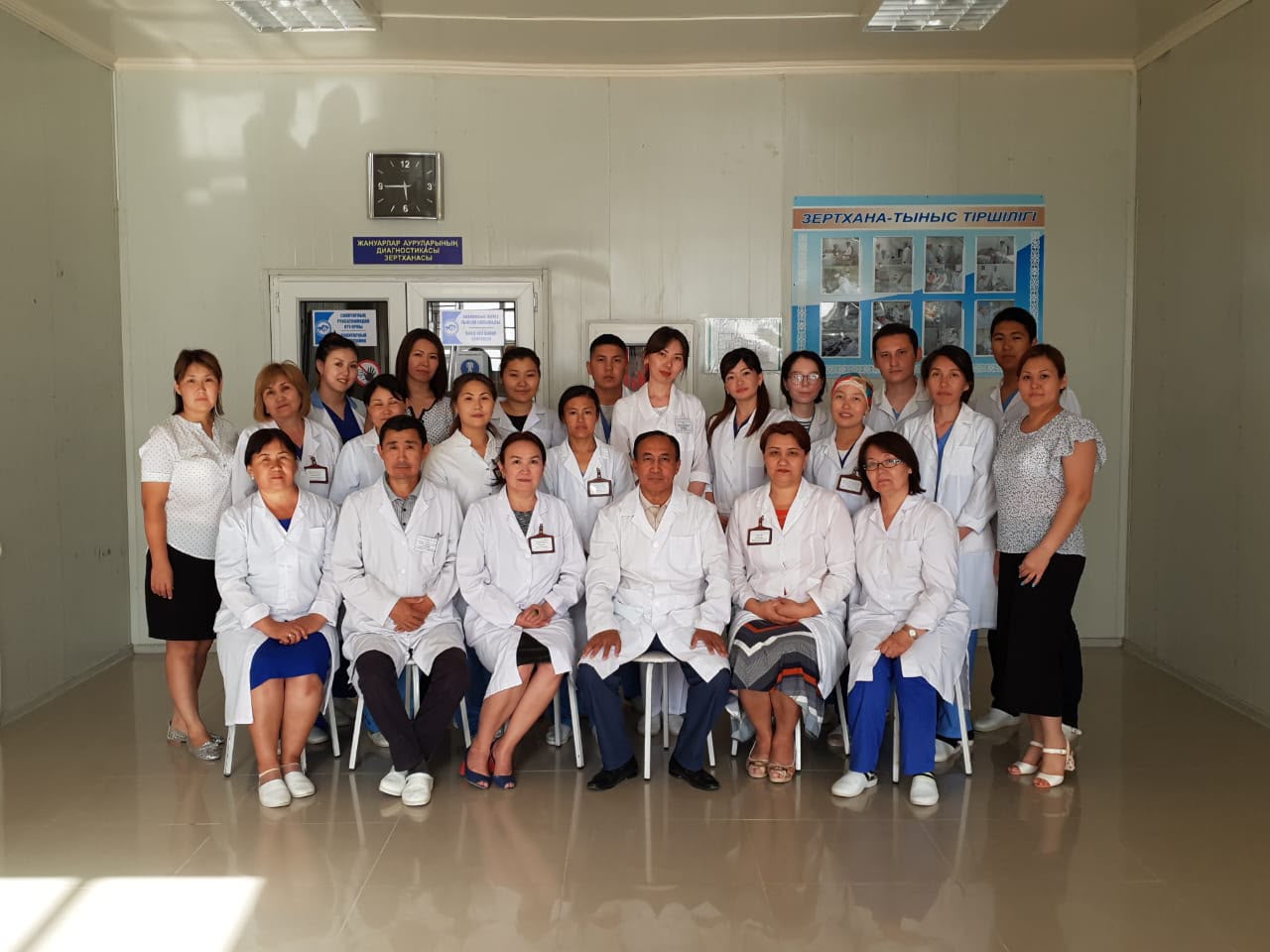
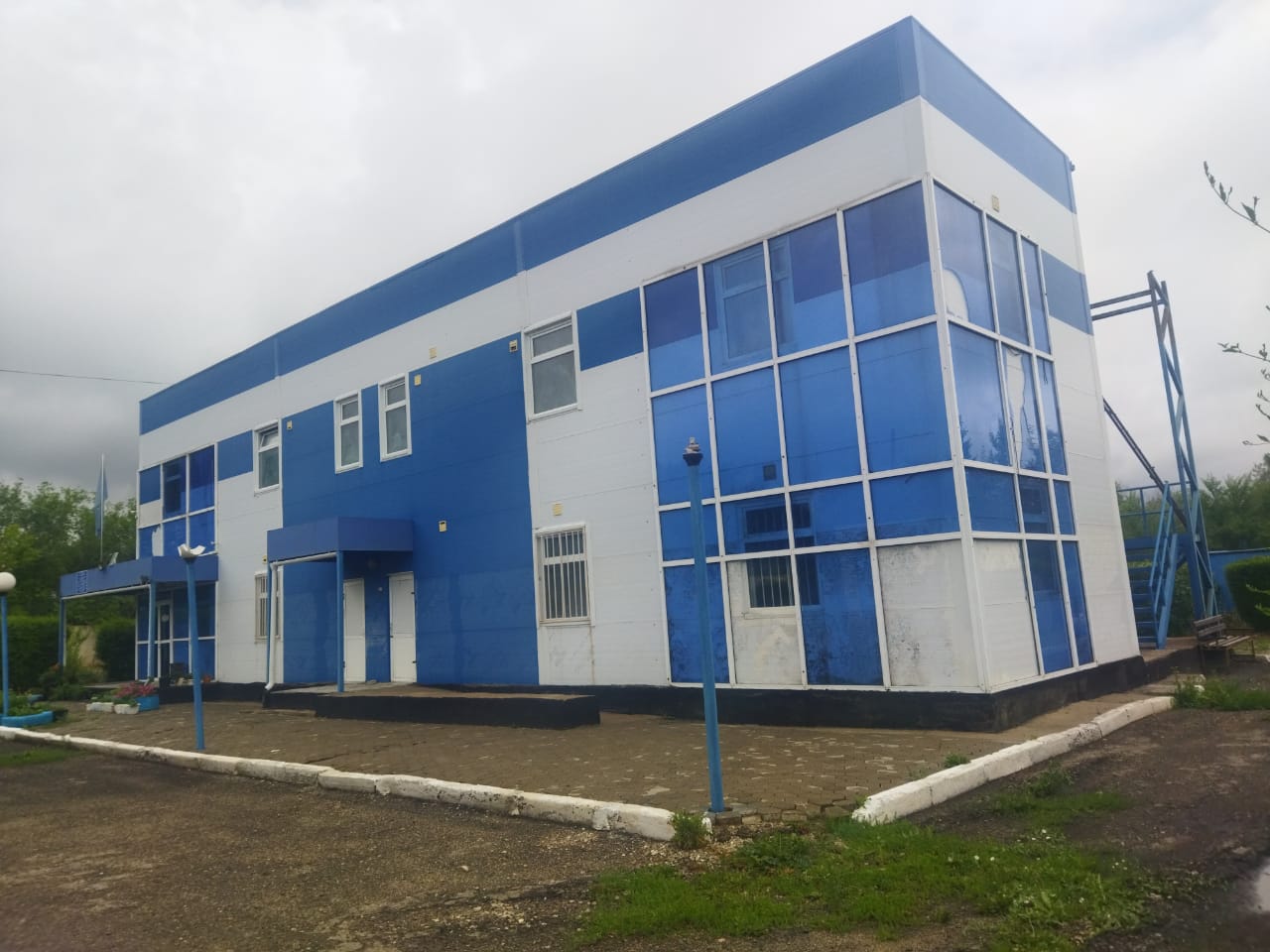
The 76,5 staff members carry out laboratory support for anti-epizootic activities, monitoring of particularly dangerous diseases and quality control of raw materials in Kokshetau, Stepanogorsk and 10 districts of Akmola region, ensuring reliable protection of the region’s epizootic well-being.