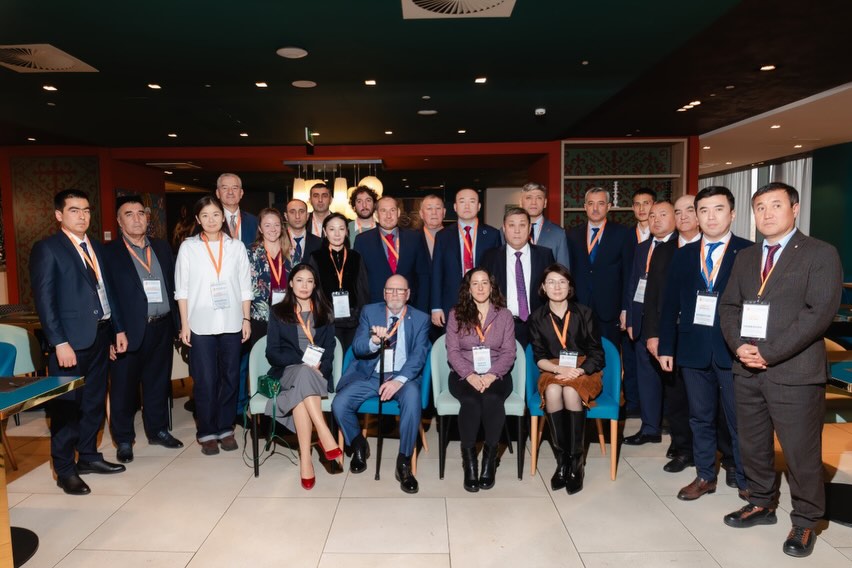
This event is a key platform for discussing strategies and practical solutions in the areas of wildlife population control, rabies prevention and enhancement of interaction between public structures, the expert community and international organizations. The seminar was attended by representatives of the region’s countries, WHO experts, research and veterinary institutions, as well as experts engaged in the development and implementation of dog population management programs.
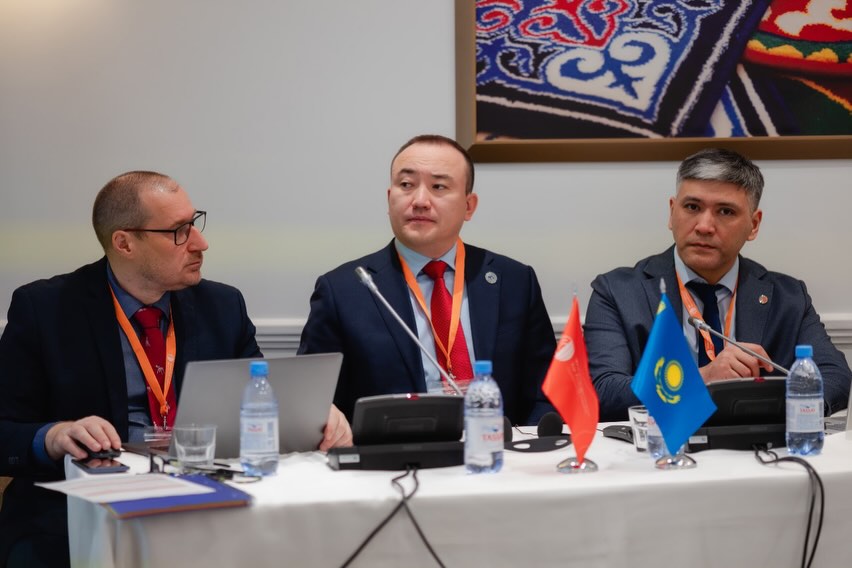
The program included plenary lectures on modern methods of evaluating dog behavior, humane approaches to hunting and keeping unattended animals, as well as consideration of successful international practices. Particular attention was paid to the results of country self-assessment under the SAM4DPM tool, which allows identifying current gaps and forming further steps to achieve the regional vision of developing dog population management systems.
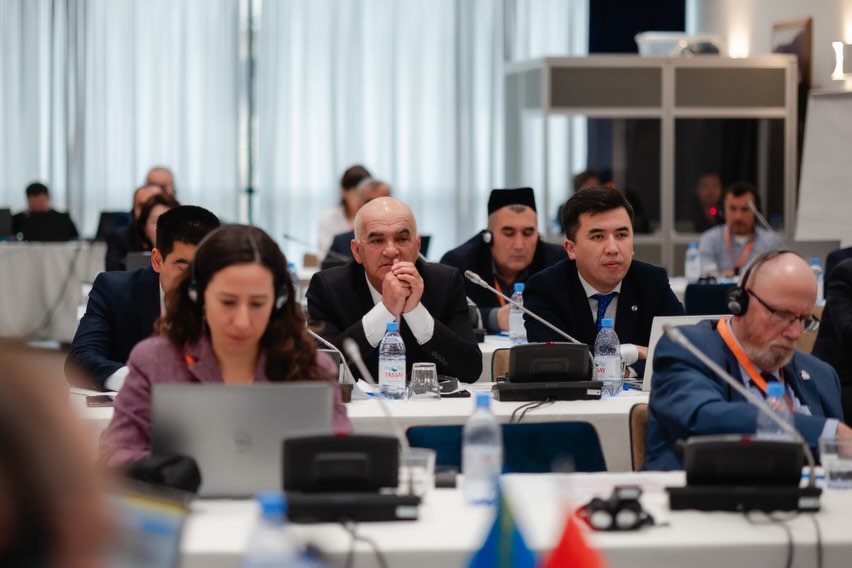
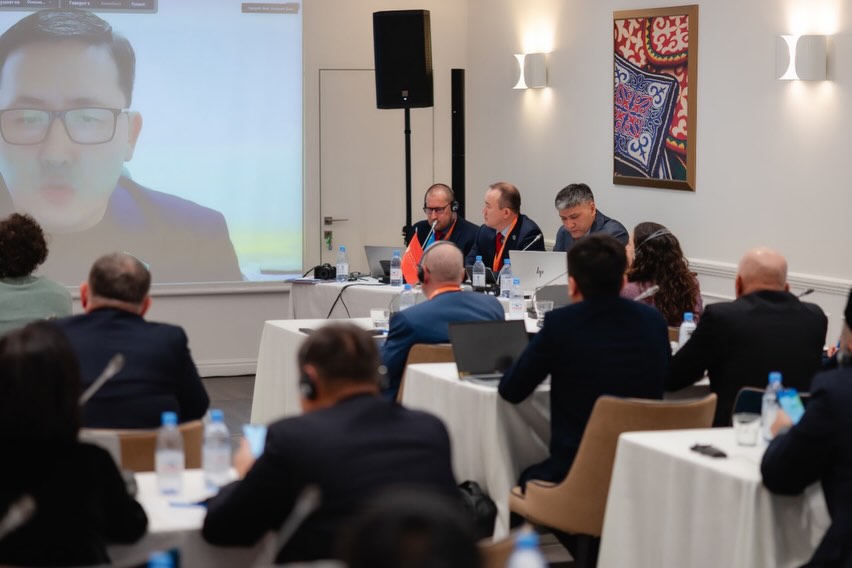
In addition to the lecture sessions, individual gender-structured interviews were held with delegates from participating countries, a visit to a shelter/adoption center, a discussion of the role of non-governmental organizations in implementing strategies to control animal populations and reduce risks to population health.
The participation of the Republican Veterinary Laboratory in this format of international cooperation contributes to the strengthening of national potential, the introduction of modern practices and the further development of interdepartmental cooperation in the field of biological safety and health protection of the population.