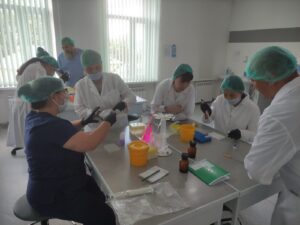

On the initiative ofGeneral Director of the Republican Veterinary LaboratoryElshibayev and Temirhan Amantayevich On the basis of the Training-methodical centertraining seminar for veterinary doctors of regional and regional branches. The training was organized in two stages, which allowed to ensure the participation of specialists from various branches of the Enterprise and to conduct training in the most efficient format.
The main purposeThe workshop focused on the practical development and detailed study of a modern diagnostic test system designed to detect G-class antibodies to bacteria of the genus.Leptospirain the serum (plasma) of the blood of agricultural animals by the method of immunofermental analysis (IFA). Particular attention was paid to standardization of laboratory studies, observance of the requirements of the methodology and improvement of the quality of diagnosis of infectious diseases of animals.
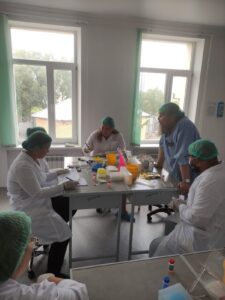

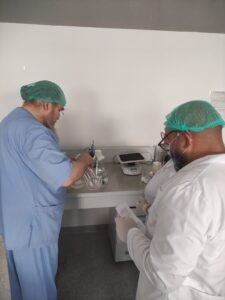

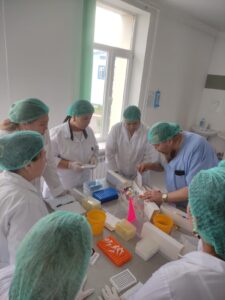
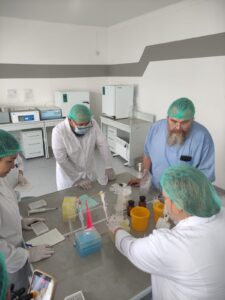
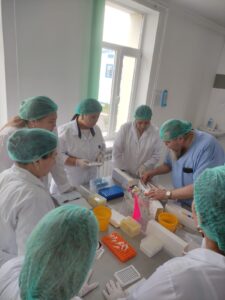
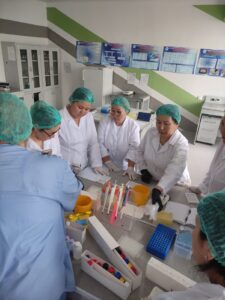

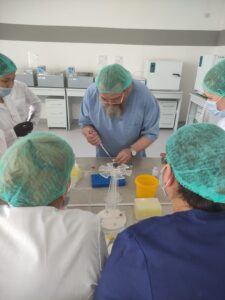


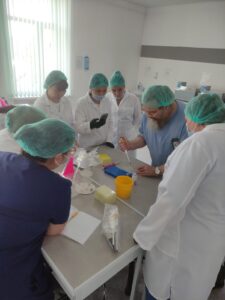

During the training , the participants not only deepened their theoretical knowledge ofLeptospirosis, its epizootological significance and modern approaches to laboratory diagnostics, but also improved practical work skills with diagnostic test systems. Specialists have worked out a complete algorithm for conducting research from the preparation of samplesand completion of all stages of analysis to correct interpretation of the results obtainedand evaluation of their reliability– What ?
Within the framework of the seminarParticipants exchanged professional experience, discussed practical issues of applying modern diagnostic methods in veterinary laboratories, as well as discussed common approaches to conducting research aimed at ensuring high quality laboratory activities in all branches of the Enterprise.
Such training activities are an important part of the work to raise the professional level of veterinary service specialists. Introduction of modern diagnostic test systems in the countryand systematic improvement of staff’s competences will significantly increase the accuracy, speed and reliability of laboratory tests, ensure a single high standard of diagnosis and strengthen the veterinary control system.