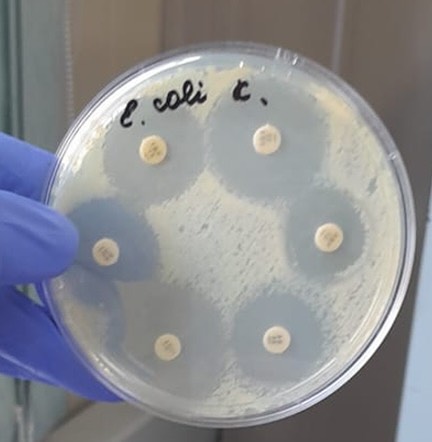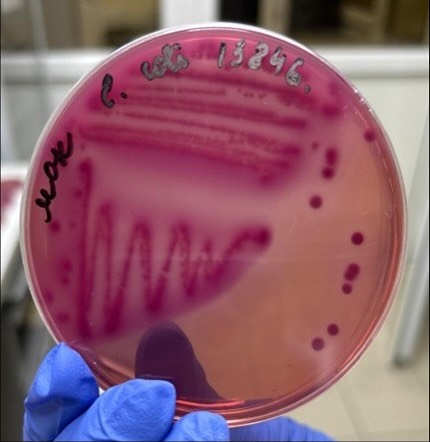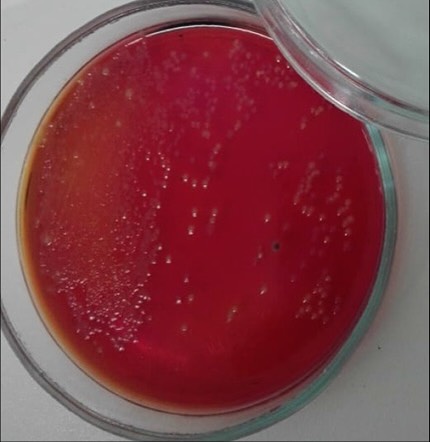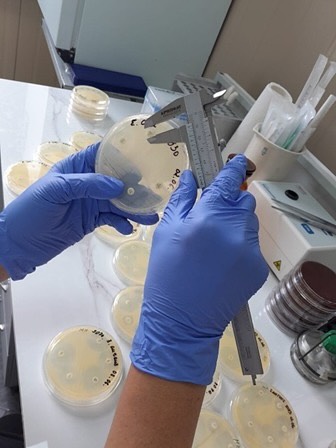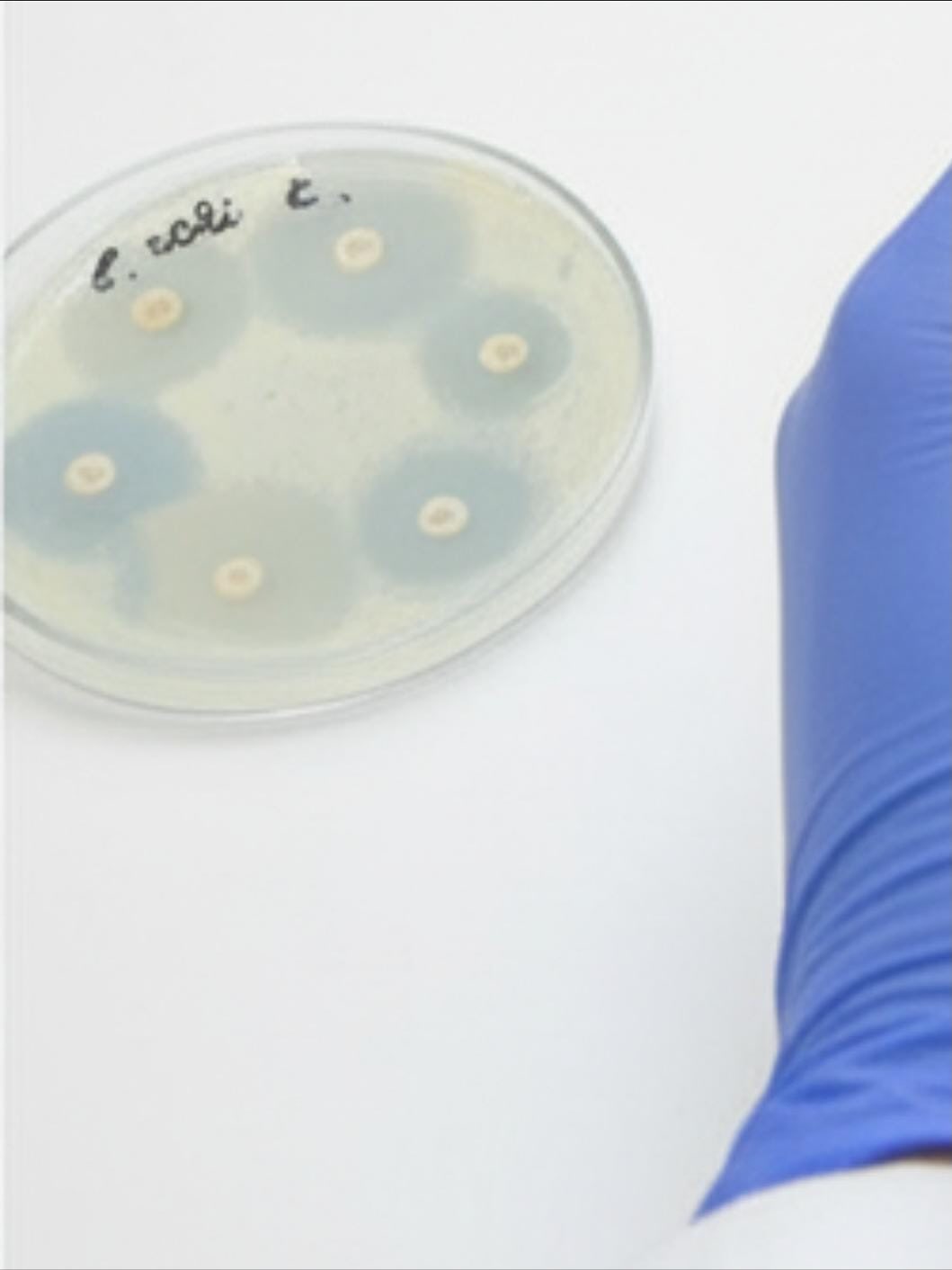
Antimicrobial resistance is the ability of bacteria, viruses, and fungi to resist drugs designed to destroy them.
Today, AMR is a challenge not only to veterinary medicine, but also to healthcare, ecology, the food industry, and global agriculture.
✅Why is this important?
If the development of resistance is not controlled, conventional animal diseases can become difficult to treat, and stable strains can get into the food chain and pose a threat to human health.
AMR is a problem that has no boundaries, and its consequences can be global.
What do you need to do?Rational use of antibiotics
Antibiotics are not a universal solution. Their use must be rigorously justified, controlled and comply with international standards.
️Control at every stage from the farm to the table
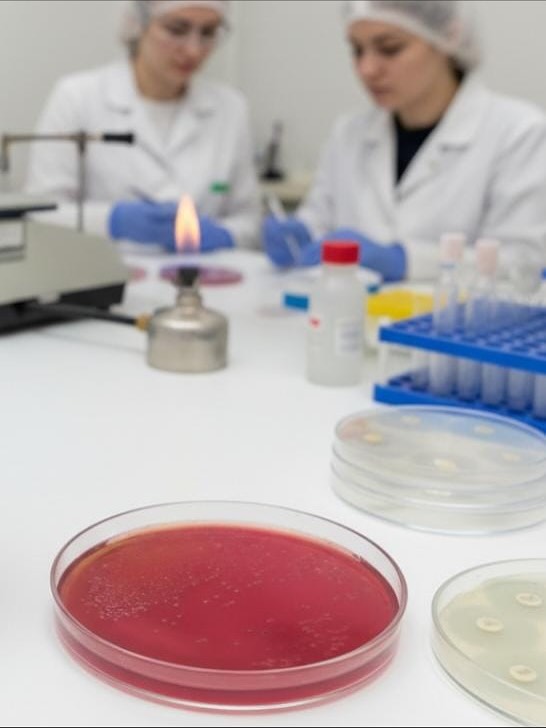
Timely diagnosis, microbiological control, compliance with food safety requirements are key conditions for reducing AMR risks.
????Monitoring and scientific research
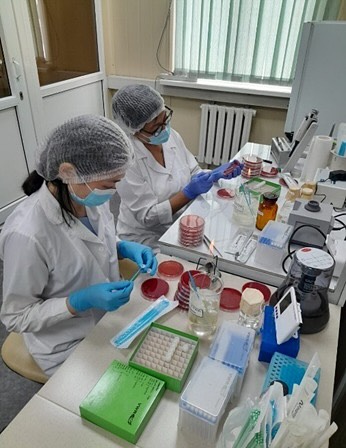
Laboratory specialists conduct molecular-genetic research, study the mechanism of resistance, track stable strains, and form scientific databases.
This allows timely detection of hazardous trends and prevents the spread of resistant microorganisms.
Raising awareness and education
The training of professional staff, the development of competencies, the introduction of modern diagnostic methods and the constant exchange of experience between regions are an important part of the fight against AMR.