The history of the branches

Select a branch from the list to see its history, management, achievements, and archival materials.

Branch Manager

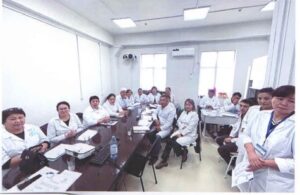
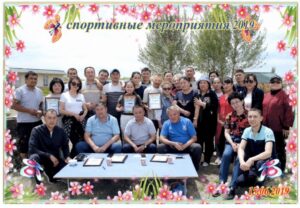
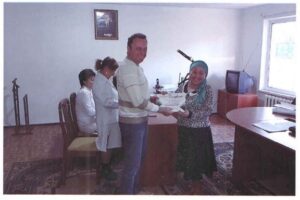
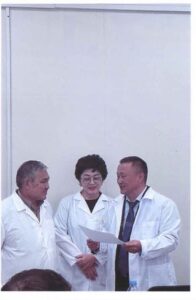
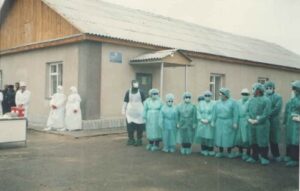
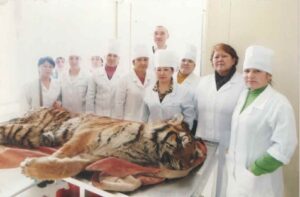
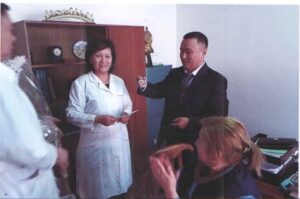
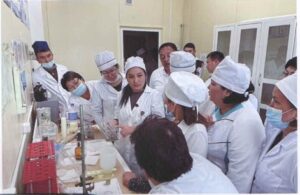
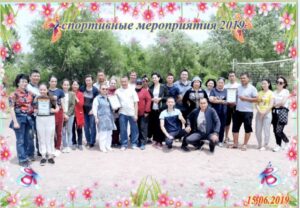
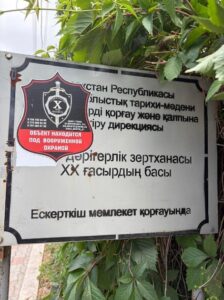
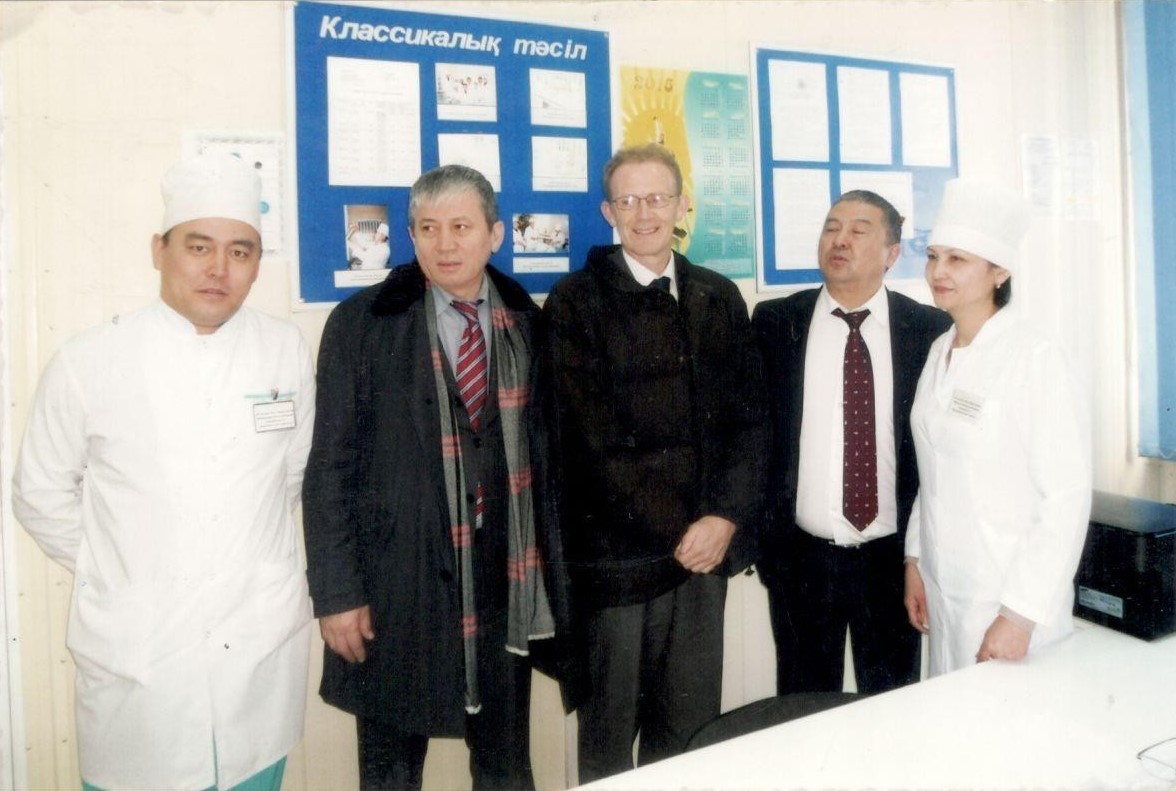
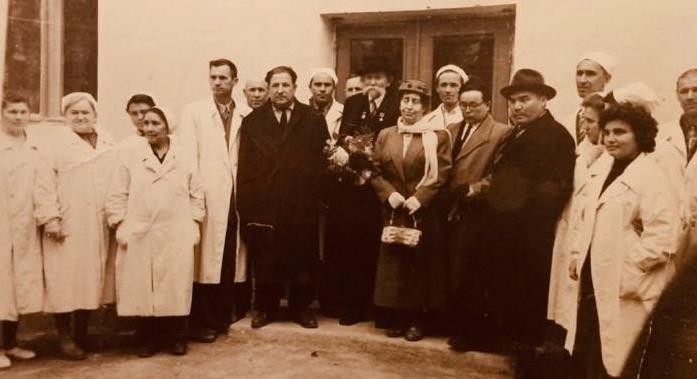
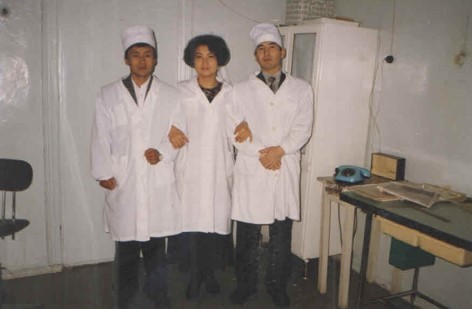
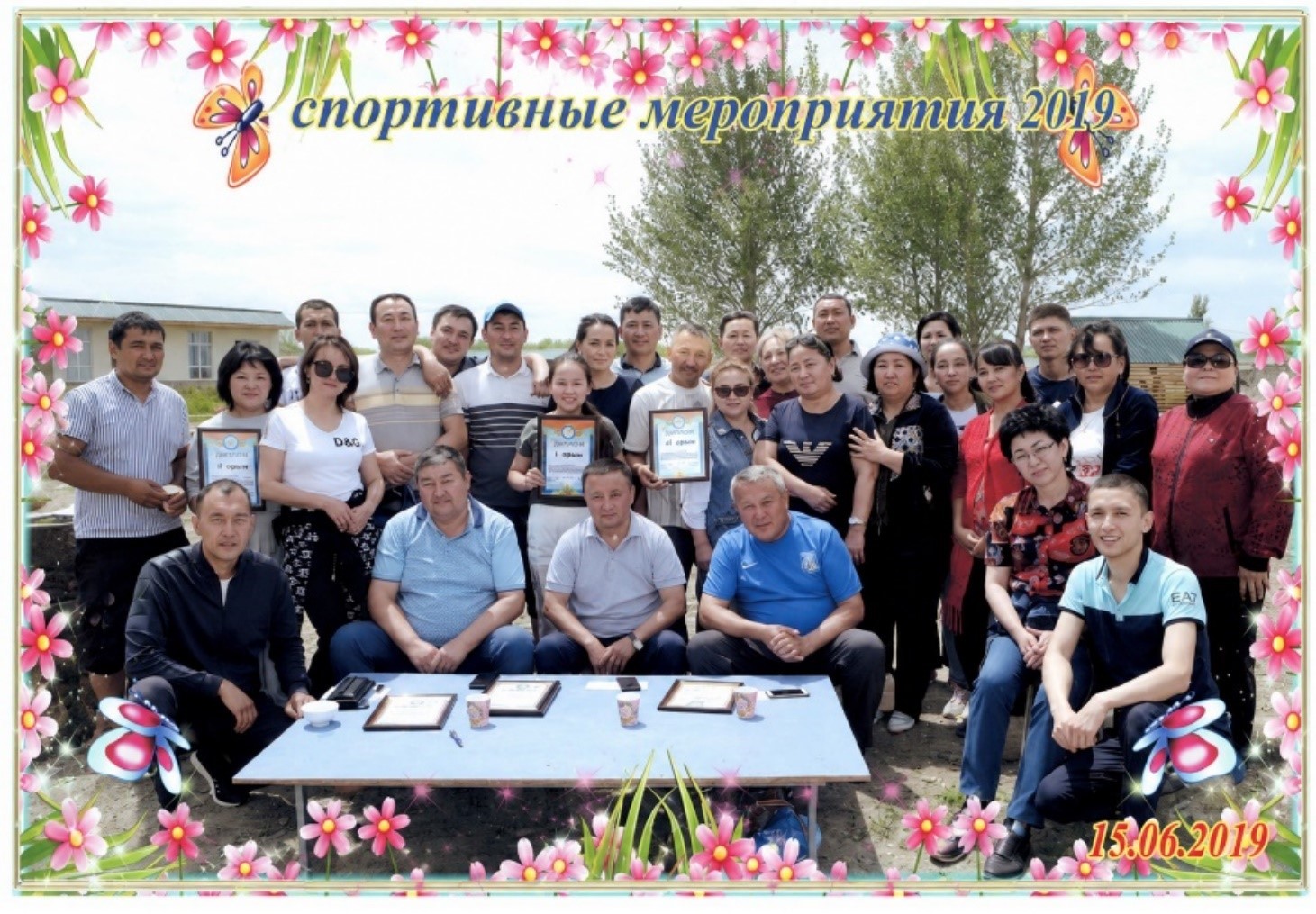
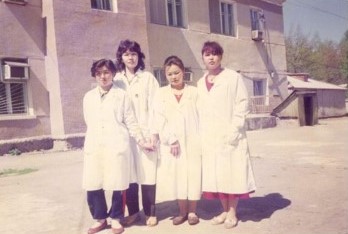
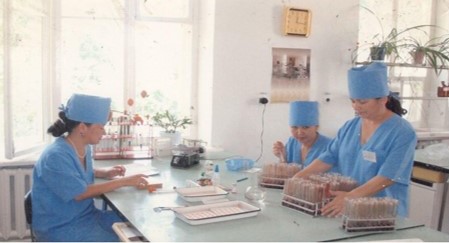
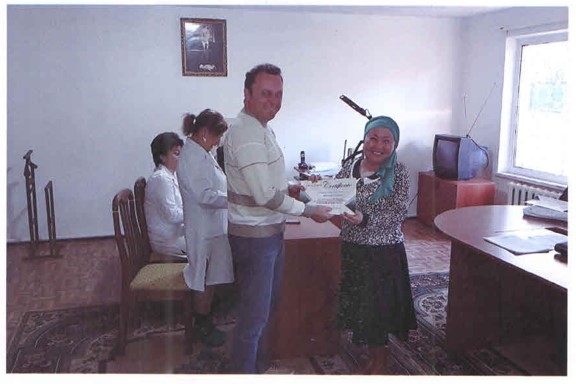
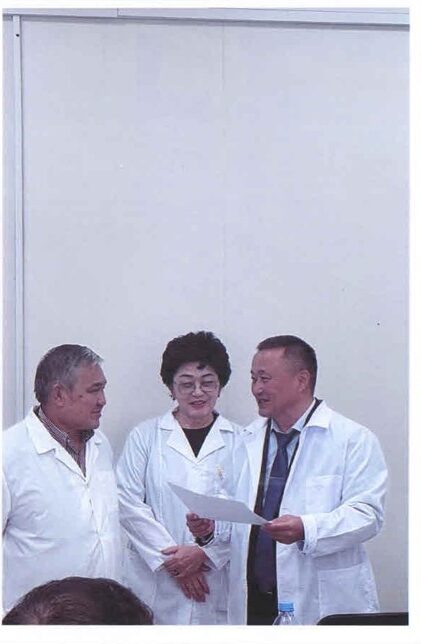
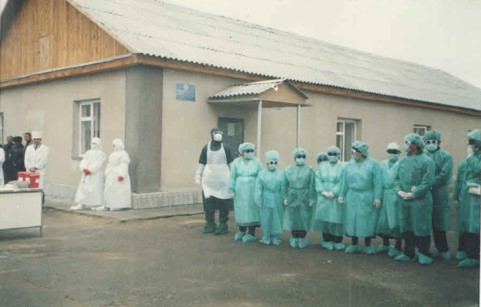
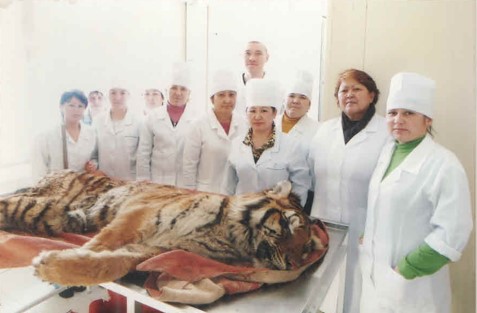
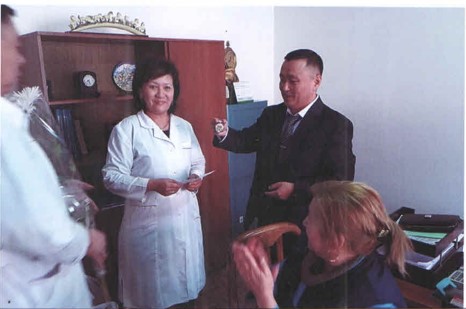
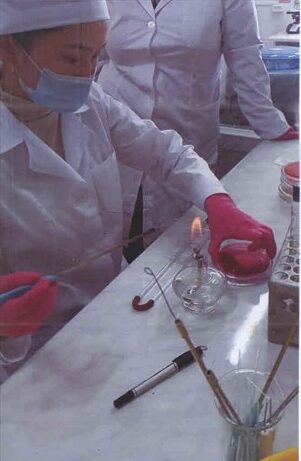
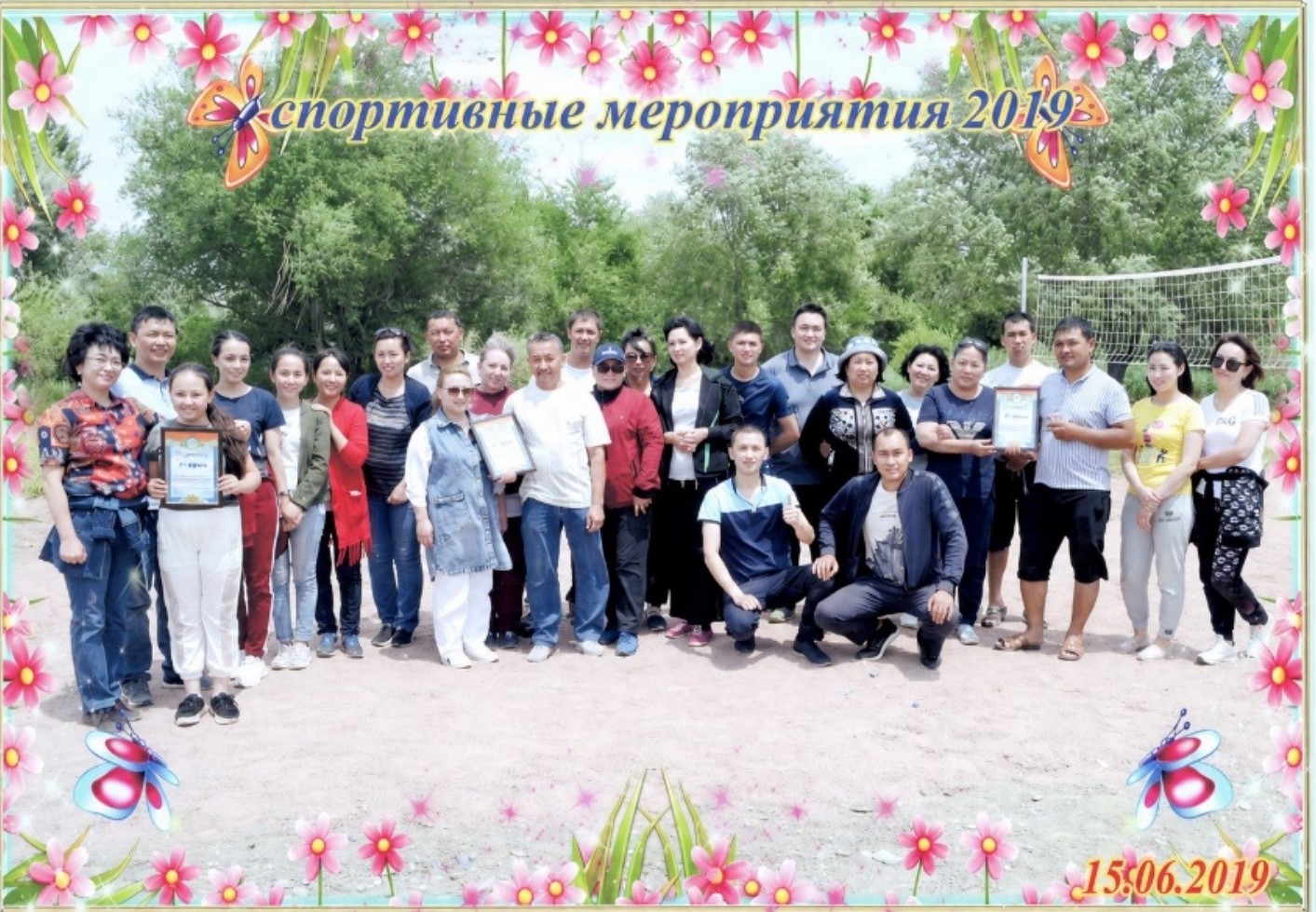
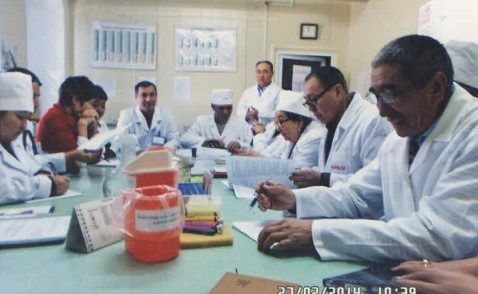
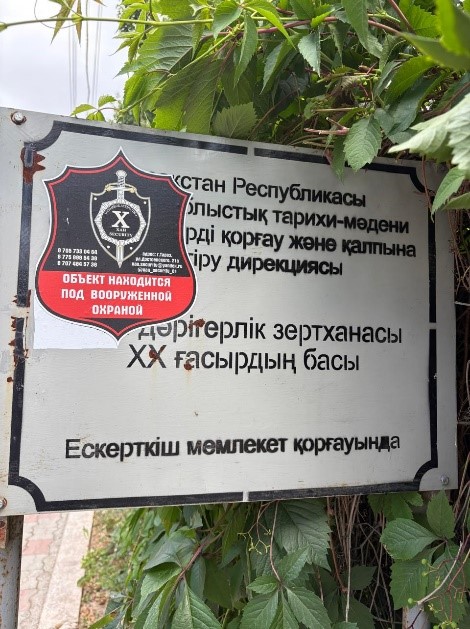
Archived photos of the branch

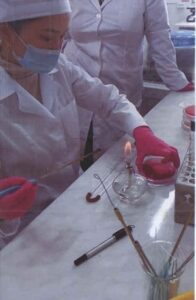
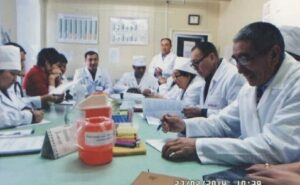
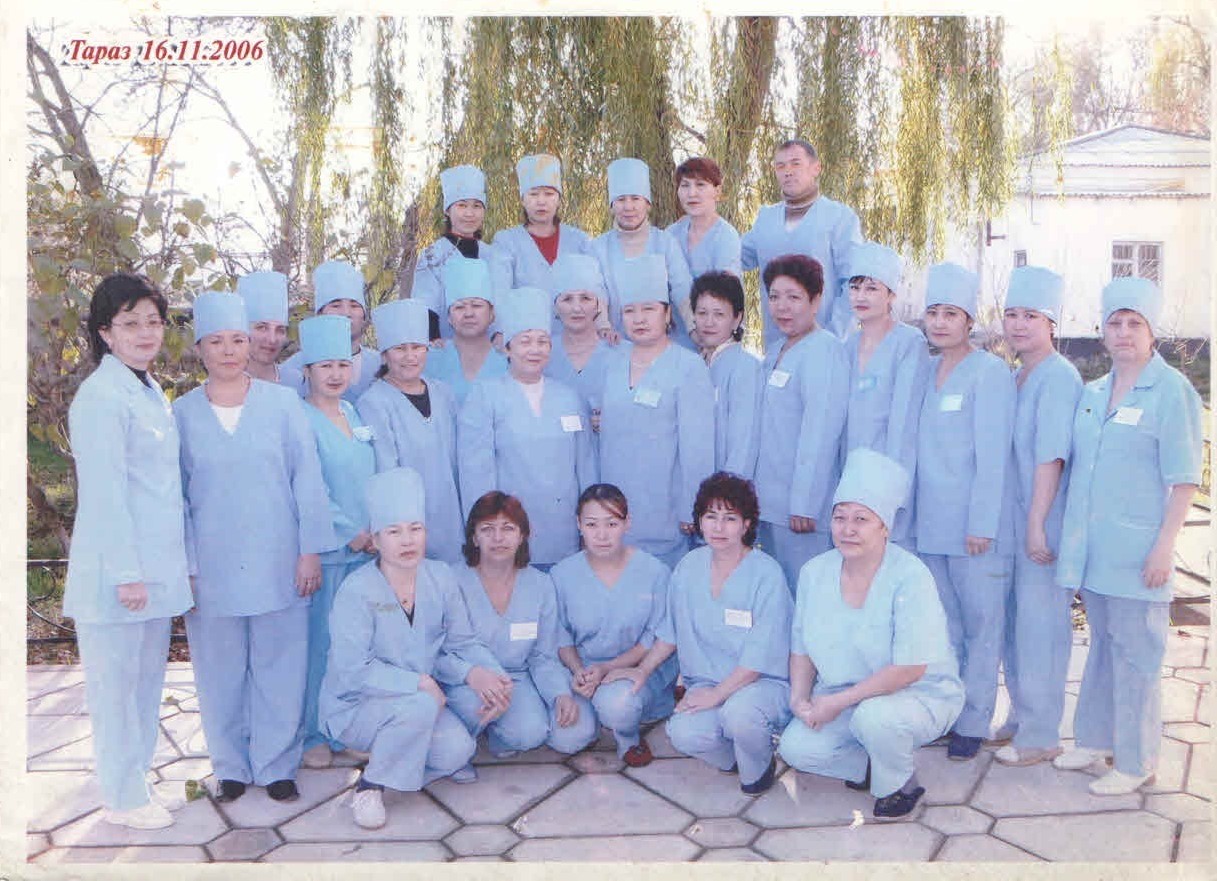
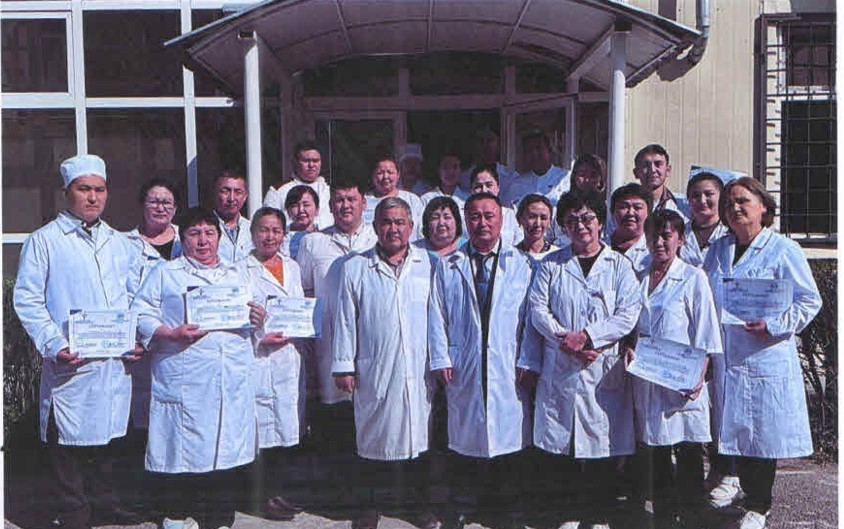
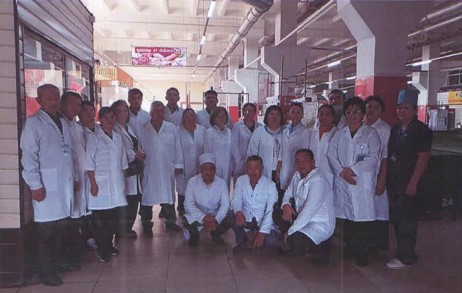
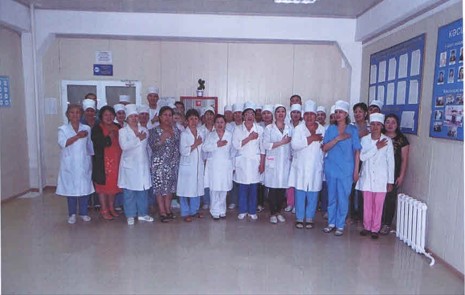
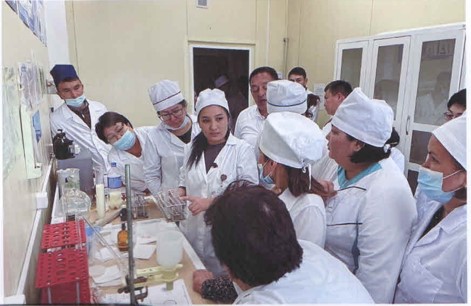
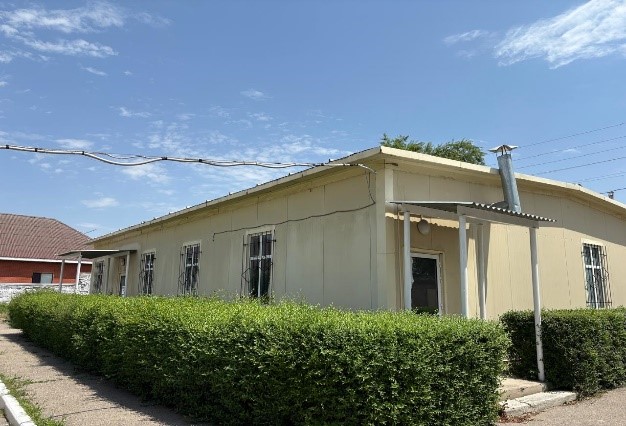
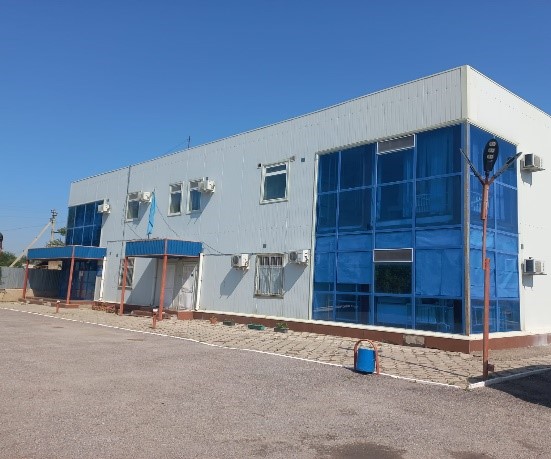
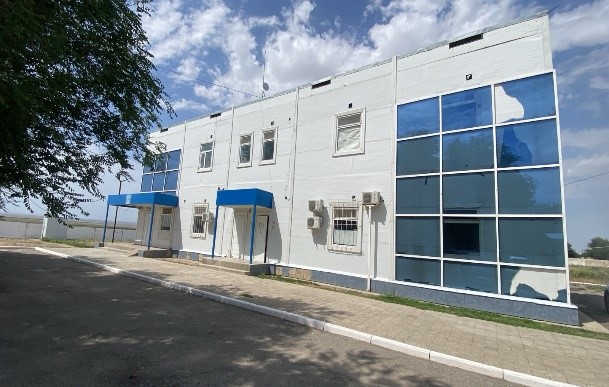
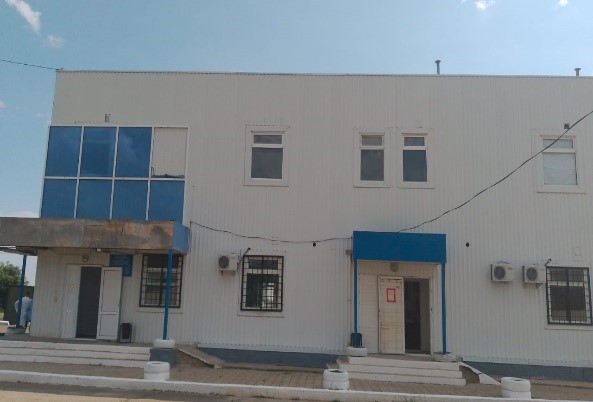
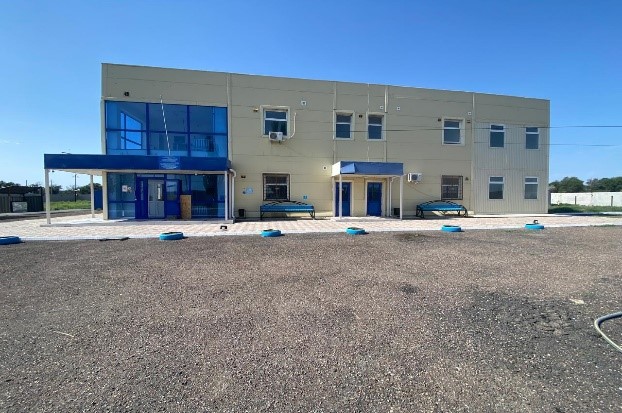
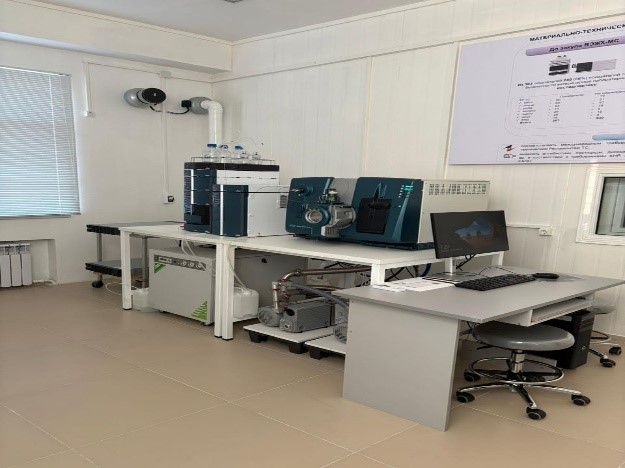
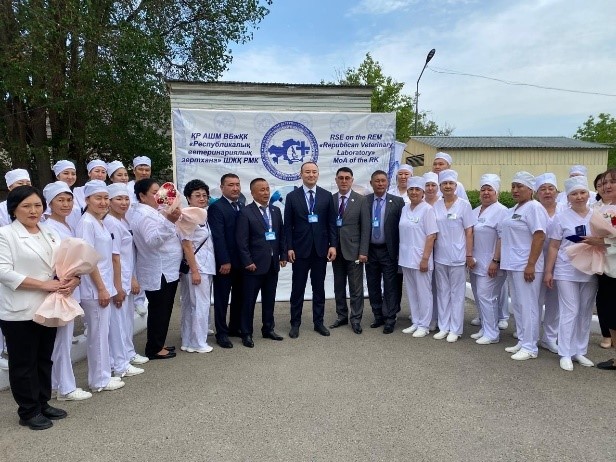
Current photos of the branch
History

1907–1917

The world-renowned academician K.I. Scryabin began his career as a veterinarian in Aulie-Ata (Taraz), where he laid the foundations of helminthology in the region. He later visited the laboratory in 1960.

The 1930s

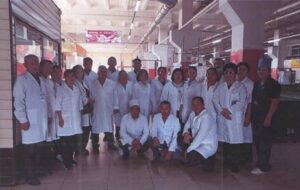
In the 1930s, a regional diagnostic institution was established in the area, housed in a historic pre-revolutionary building. Its directors over the years included A.N. Smolyakov, I.A. Taranov, S.V. Kuvaev, and others.

1953

In 1953, M.A. Matveev became head of the institution, and in 1958, key specialized departments were opened, including bacteriology, biochemistry, toxicology, parasitology, and radiology. The district laboratory network began to expand actively, with laboratories established in Merki, Shu, Korday, and other districts.

1960

In 1960, the laboratory was visited by the distinguished academician K.I. Scryabin, who had begun his scientific career as a veterinarian in the region.

2004–2012

Between 2004 and 2012, the branch became part of the unified national structure, now operating under the Committee for Veterinary Control and Supervision of the Ministry of Agriculture of the Republic of Kazakhstan.
2005

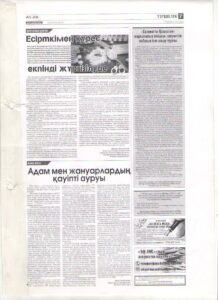
In 2005, the branch successfully passed its first official accreditation, confirming its technical competence.
2006–2016

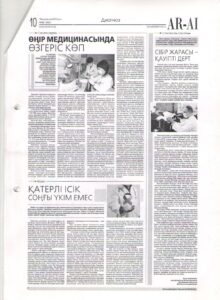
Conventional PCR diagnostics were introduced in 2006, and in 2016, the method was upgraded to real-time PCR (RT-PCR).

2016

In 2016, the branch successfully passed an assessment confirming compliance with the requirements for a foot-and-mouth disease vaccination zone.
2013–2015

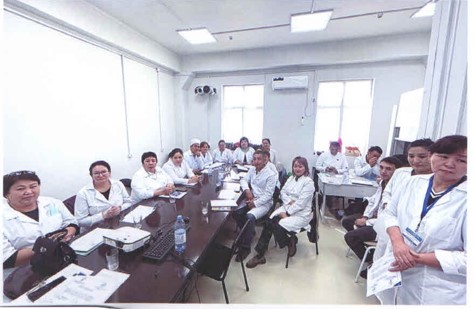
The laboratory was gradually equipped with advanced instruments, including a FOSS infrared analyzer in 2013, a voltammetric system for detecting heavy metals in 2015, and ELISA analyzers for detecting antibiotics.

2024

In 2024, the equipment inventory was expanded with a “MULTIRAD” spectrometer for precise radionuclide measurement.

2025

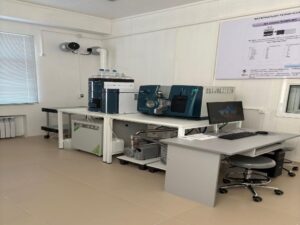
In 2025, a highly accurate HPLC-MS method (high-performance liquid chromatography coupled with mass spectrometry) was introduced to monitor veterinary drug residues in food products.

Contacts

Astana, Republic ave., 50/1

Privacy Policy and Payment and Refund Method

  • 2026. RSE “Republican Veterinary Laboratory”. All rights reserved.